アモリウム
アモリウム(Amorium)は小アジア[1]のフリュギアに存在していた都市。ヘレニズム時代に建設され、東ローマ帝国支配下で繁栄し、アモリオンの戦いの後に衰退した。東ローマのコンスタンティノープルとキリキアを結ぶ軍用道付近に位置していた[2]。トルコのアフィヨンカラヒサール県エミルダーの中心地から13キロメートル東にあるヒサルカイという村の周囲、もしくは真下から遺跡やハイク(「墳丘墓、マウンド」の意味)が発見されている[3][4]。
|
Ἀμόριον (ギリシア語) | |
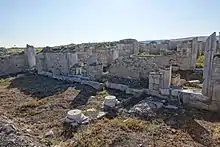 アモリウムの遺跡群 | |
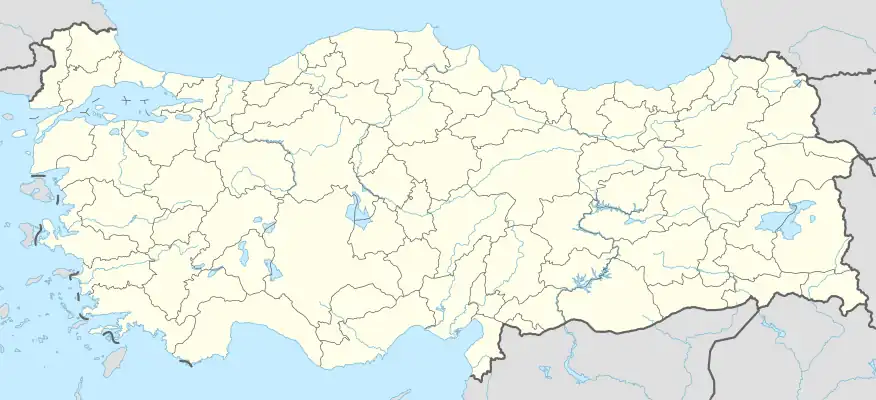 .svg.png.webp) トルコにおける位置 | |
| 別名 | Amorion, ʿAmmūriye, Amūrīn, Hergen Kale |
|---|---|
| 所在地 |
 トルコ、アフィヨンカラヒサール県、ヒサルカイ トルコ、アフィヨンカラヒサール県、ヒサルカイ |
| 地域 | フリュギア |
| 座標 | 北緯39度01分14秒 東経31度17分21秒 |
| 歴史 | |
| 時代 | ヘレニズムから中世盛期 |
| 支配者 | アイソーポス(伝説上)、ミカエル2世 |
| 出来事 | アモリオンの戦い |
.svg.png.webp)
アモリウムはギリシャ語での名称「アモリオン」(ギリシア語: Ἀμόριον)をラテン語化させた名称である。アラブ/イスラム圏の文献ではアッムーリエと表記されている。オスマン帝国の支配下では重要性を取り戻すことは無く、へルゲン・カレー(Hergen Kale又はHergen Kaleh)と呼ばれた[1]。
脚注
- Herbermann, Charles, ed. (1907). . Catholic Encyclopedia. Vol. 1. New York: Robert Appleton Company.
- M. Canard, "ʿAmmūriya"", Encyclopedia of Islam, Second Edition online 2012
- Drew Bear, T. (2018年6月7日). “Places: 609302 (Amorion)”. Pleiades. 2015年2月19日閲覧。
- Ivison, p. 27
典拠
- Ivison, Eric A. (2007). “Amorium in the Byzantine Dark Ages (seventh to ninth centuries)”. In Henning, Joachim. Post-Roman Towns, Trade and Settlement in Europe and Byzantium, Vol. 2: Byzantium, Pliska, and the Balkans. de Gruyter. pp. 25–59. ISBN 978-3-11-018358-0
- Karolidis, Pavlos (1908) (Greek). [The city of Amorion in Christian and Mohammedan history and poetry]. Athens: Τύποις Π. Δ. Σακελλαρίου. http://anemi.lib.uoc.gr/metadata/2/e/5/metadata-joh1tql6di2autb2nf33tbsdp3_1297247887.tkl
- Kazhdan, Alexander, ed (1991). Oxford Dictionary of Byzantium. Oxford University Press. pp. 79–80. ISBN 978-0-19-504652-6
- Lightfoot, Chris (2006). Amorium: A Byzantine City in Anatolia - An Archaeological Guide. Istanbul: Homer Kitabevi. ISBN 978-975-8293-80-3
This article is issued from Wikipedia. The text is licensed under Creative Commons - Attribution - Sharealike. Additional terms may apply for the media files.