オキシメタゾリン
オキシメタゾリン(Oxymetazoline)は、選択的α1作動性・部分的α2作動性局所充血除去薬である。1961年に開発された[1]。点鼻薬として市販されている。
 | |
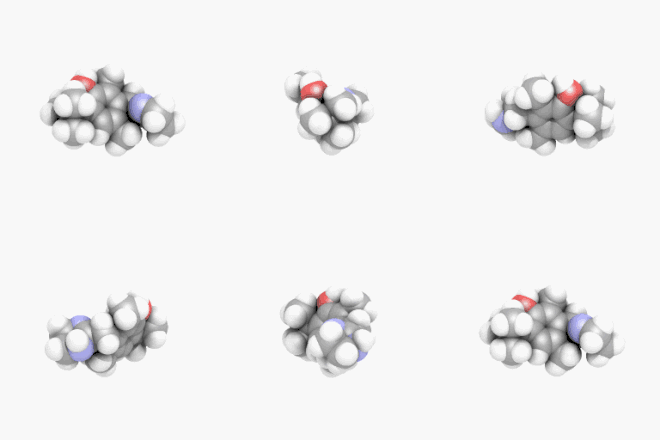 | |
| IUPAC命名法による物質名 | |
|---|---|
| |
| 臨床データ | |
| 販売名 | Afrin, Ocuclear, Drixine |
| Drugs.com | monograph |
| 胎児危険度分類 |
|
| 法的規制 | |
| 依存性 | Moderate |
| 投与経路 | 経鼻 |
| 薬物動態データ | |
| 代謝 | Kidney (30%), Fecal (10%) |
| 半減期 | 5-6 hours |
| 識別 | |
| CAS番号 |
1491-59-4  |
| ATCコード |
R01AA05 (WHO) R01AB07 (WHO) (combinations), S01GA04 (WHO) |
| PubChem | CID: 4636 |
| IUPHAR/BPS | 124 |
| DrugBank |
DB00935 |
| ChemSpider |
4475 |
| UNII |
8VLN5B44ZY |
| KEGG | D08322 en:Template:keggcite |
| ChEBI | CHEBI:7862en:Template:ebicite |
| ChEMBL | CHEMBL762en:Template:ebicite |
| 化学的データ | |
| 化学式 | C16H24N2O |
| 分子量 | 260.375 g·mol−1 |
| |
| |
| 物理的データ | |
| 融点 | 301.5 °C (574.7 °F) |
効能・効果
オキシメタゾリンは医療用としては「上気道の諸疾患の充血・鬱血」(耳鼻科用)、「表在性充血(原因療法と併用)」(眼科用)に対して承認されている[2]。一般用医薬品(OTC)としての効能・効果は「急性鼻炎、アレルギー性鼻炎または副鼻腔炎による鼻づまり」である[3]。
薬物動態
イミダゾリン系薬剤はアドレナリンα作動薬であり、β受容体への作用はほとんどない。オキシメタゾリンは経口投与により速やかに吸収される。経口投与の場合は1回の投与で最大7時間効果が持続する。血中半減期は5〜8時間である。鼻腔内投与量の場合、腎臓から72時間で27〜38%、肝臓から120時間で9〜13%が排泄される[6]:17。
作用機序
オキシメタゾリンは交感神経α1受容体作動性・α2部分作動性薬剤である[7]。
血管にはα1受容体が多く発現しており、オキシメタゾリンは血管収縮作用を発現する。加えて、局所投与は内皮のシナプス後α2受容体に作用して血管収縮作用を示す。これは、α2受容体作動薬を全身投与した場合にはシナプス前α2受容体に作用して交感神経の興奮をもたらし、血管拡張作用を示す事と対照的である[8]。血管収縮作用に基づく鼻閉の改善は、次の2つの理由による。第一に、気道内腔面積を拡大する。第二に、後毛細血管細静脈からの滲出液を減少させる[9]。オキシメタゾリンは鼻腔抵抗(Nasal Airway Resistance、NAR)を最大35.7%低減し、鼻粘膜血流量を最大50%低減する[10]。
副作用と使用上の注意
塩化ベンザルコニウムの影響
点眼薬、点鼻薬にしばしば防腐剤として含まれる塩化ベンザルコニウムが鼻粘膜の上皮細胞を障害し薬物性鼻炎の原因になるとの研究があるが、多くの研究がベンザルコニウムが安全であると結論している[12]。
出典
- German Patent 1,117,588
- “ナシビン点鼻・点眼液0.05% 添付文書”. 2015年1月24日閲覧。
- “持続性血管収縮成分「オキシメタゾリン塩酸塩」配合スイッチOTC点鼻薬ナシビンMスプレー新発売”. 佐藤製薬 (2011年3月). 2015年1月24日閲覧。
- Katz, R.I. et al. (1990). “A comparison of cocaine, lidocaine with epinephrine, and oxymetazoline for prevention of epistaxis on nasotracheal intubation”. J Clin Anesth 2 (1): 16–20. doi:10.1016/0952-8180(90)90043-3. PMID 2310576.
- Krempl, G.A. and A.D. Noorily (1995). “Use of oxymetazoline in the management of epistaxis”. Ann Otol Rhinol Laryngol 104 (9 Pt 1): 704–6. PMID 7661519.
- “ナシビン点鼻・点眼液0.05% インタビューフォーム” (2012年12月). 2015年1月23日閲覧。
- Westfall Thomas C, Westfall David P, "Chapter 6. Neurotransmission: The Autonomic and Somatic Motor Nervous Systems" (Chapter). Brunton LL, Lazo JS, Parker KL: Goodman & Gilman's The Pharmacological Basis of Therapeutics, 11e: http://www.accessmedicine.com/content.aspx?aID=954433.
- Biaggioni Italo, Robertson David, "Chapter 9. Adrenoceptor Agonists & Sympathomimetic Drugs" (Chapter). Katzung BG: Basic & Clinical Pharmacology, 11e: http://www.accessmedicine.com/content.aspx?aID=4520412.
- J. Widdicombe (1997). “Microvascular anatomy of the nose”. Allergy 52 (40 Suppl): 7–11. doi:10.1111/j.1398-9995.1997.tb04877.x. PMID 9353554.
- The Journal of Laryngology & Otology, Volume 100 , Issue 03, pp 285-288
- JT Ramey, E Bailen, RF Lockey (2006). “Rhinitis medicamentosa”. J Investig Allergol Clin Immunol 16 (3): 148–155. PMID 16784007.
- Marple B, Roland P, Benninger M (2004). “Safety review of benzalkonium chloride used as a preservative in intranasal solutions: an overview of conflicting data and opinions”. Otolaryngol Head Neck Surg 130 (1): 131–141. doi:10.1016/j.otohns.2003.07.005. PMID 14726922.
- Rayburn WF, Anderson JC, Smith CV, Appel LL, Davis SA (1990). “Uterine and fetal Doppler flow changes from a single dose of a long-acting intranasal decongestant”. Obstet Gynecol 76 (2): 180–182. PMID 2196495.