文化的アイコン
文化的アイコン[1](ぶんかてきアイコン、Cultural icon)は、ある文化の成員によってその文化を代表するものとして認識される人物または人工物を指す。認識のプロセスは主観的なものであり、「アイコン」はその文化の本物の象徴としてどの程度見られるかによって判断される。文化的アイコンを見る者は、それが代表している文化的アイデンティティに対する一般的な理解とそれを関連づける[2]。文化的アイコンは、別の文化に属する者から、ある文化の慣行を正しく表現したものだと認識されることもある[3]。

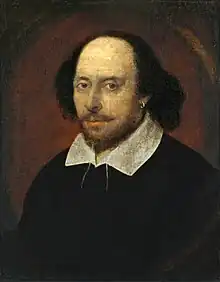
ポップ・カルチャーなどでは、「アイコニック (象徴的)」という用語は、さまざまな人物、場所、物事を表現するために使用される。中には「アイコニック」という言葉が乱用されすぎていると考える識者もいる。
事例

『Canadian Journal of Communication』によると、学術文献では以下のすべてが「文化的アイコン」として説明されている。「シェイクスピア、オプラ、バットマン、赤毛のアン、カウボーイ、1960年代の女性ポップ歌手、馬、ラスベガス、図書館、バービー人形、DNA、ニューヨーク・ヤンキース」[5]。
2006年、一般の人々からイギリスの国民的アイコンについてのアイデアを集めるウェブベースの調査が開始された[6]。そしてその結果は、イギリス文化に対するイギリス人の見方を表すアイコンがどれほど幅広いものかを示している。その一例には、ロンドンの赤い2階建てバス(AEC・ルートマスター)がある[7][8][9][10]。
マトリョーシカ人形は、世界的にロシアにおける文化的アイコンとみなされている[11]。旧ソ連では、ハンマーと鎌のシンボルや、ウラジーミル・レーニン像が、打って変わってこの国の最も著名な文化的アイコンとなっていた。
文化的アイコンによって表される価値観や、規範、理想は、それに賛同する人々の間でも異なっている。文化的アイコンをまったく異なる価値観を象徴するものとして解釈する人の間でもかなり広く隔たりが生まれている。たとえばアップルパイはアメリカの文化的アイコンとなっているが、その意味はアメリカ人の間でも異なっている。
たとえば、共産主義崩壊後の東ヨーロッパで群衆がレーニン像を破壊したり[12]、海外におけるアメリカの行動に抗議して星条旗を燃やしたりするなど、国家的象徴が政権に反対したり批判したりする人々の標的となる可能性がある[13]。
カトリックの伝統が強い社会における聖母の表現など、宗教と文化が深く絡み合っている社会においては、宗教的アイコンも文化的なアイコンとなりえる[14]。
批判
何かをアイコニックまたはアイコンとして説明することは、一般的なメディアにおいてかなり普通なことになってきた。これについては、一部から批判が集まっている[15]。たとえば、「リバプール・デイリー・ポスト」紙の記者は、「アイコニック」を「身の毛がよだつような言葉」とし、「ほぼあらゆるものを説明するのに使われている」言葉であると語っている[16]。ニュース・サイト「Christian Examiner」のマーク・ラーソンは、「アイコニック」を使いすぎの言葉と分類し、ニュース記事だけで「アイコニック」が18,000件以上使用され、さらに「アイコン」が30,000件も使用されていることがわかったと述べている[17]。
脚注
- 「文化的象徴」とも訳される。
- Grayson, Kent; Martinec, Radan (2004-09-01). “Consumer Perceptions of Iconicity and Indexicality and Their Influence on Assessments of Authentic Market Offerings”. Journal of Consumer Research 31 (2): 296–312. doi:10.1086/422109. ISSN 0093-5301.
- Motley, Carol M.; Henderson, Geraldine Rosa (2008-03-01). “The global hip-hop Diaspora: Understanding the culture”. Journal of Business Research. Cross-Cultural Business Research 61 (3): 243–253. doi:10.1016/j.jbusres.2007.06.020.
- Odone, Cristina (2013年3月11日). “The trashing of the iconic red phone box is one bad call”. The Daily Telegraph. オリジナルの2022年1月12日時点におけるアーカイブ。
- Truman, Emily (2017). “Rethinking the Cultural Icon: Its Use and Function in Popular Culture”. Canadian Journal of Communication 42 (5): 829–849. doi:10.22230/cjc.2017v42n5a3223. "What constitutes a 'cultural icon' in twenty-first-century North American popular culture? All of the following have been attributed to this status in academic literature: Shakespeare, Oprah, Batman, Anne of Green Gables, the Cowboy, the 1960s female pop singer, the horse, Las Vegas, the library, the Barbie doll, DNA, and the New York Yankees"
- “Our Collection”. icons.org.uk. 2014年8月19日時点のオリジナルよりアーカイブ。2014年8月16日閲覧。
- Jenkins, Simon (2005年10月). Godson, Dean: “Replacing the Routemaster”. pp. 7. 2013年2月27日時点のオリジナルよりアーカイブ。2012年12月15日閲覧。
- British Postal Museum & Archive: Icons of England Archived 2014-12-05 at the Wayback Machine.. Retrieved 15 December 2012.
- Culture24: Icons of England. Retrieved 15 December 2012.
- Parker, Mike (2012). Cultural Icons: A Case Study Analysis of their Formation and Reception (PhD Thesis). University of Central Lancashire. pp. 123–167
- Bobo, Suzanna (2012年12月25日). “Scuttlebutt: Wooden toy tells a story of love and industry”. Kodiak Daily Mirror. 2013年4月9日閲覧。
- Jones, Jonathan (2013年12月9日). “Why smashing statues can be the sweetest revenge”. Guardian. 2023年6月30日閲覧。
- Laessing, ulf (2012年9月14日). “Anti-American fury sweeps Middle East over film”. Reuters. 2023年6月30日閲覧。
- Anthony B Pinn; Benjamin Valentin, eds (2009). Creating Ourselves, African Americans and Hispanic Americans on popular culture and religious expression. Duke University Press
- “Heard about the famous icon? We have – far too often”. The Independent (London). (2007年1月27日). オリジナルの2012年10月26日時点におけるアーカイブ。
- Let's hear it for the Queen's English, Liverpool Daily Post
- Modern word usage amazingly leaves us yearning for gay, old times Archived 2010-12-25 at the Wayback Machine., Christian Examiner
参考文献
- Biedermann, Hans (1994). Dictionary of Symbolism: Cultural Icons and the Meanings Behind Them. Meridan
- Brooker, Will (2001). Batman Unmasked: Analysing a Cultural Icon. Continuum
- Edwards, Peter; Enenkel, Karl; Graham, Elspeth, eds (2011). The Horse as Cultural Icon: The Real and the Symbolic Horse in the Early Modern World. Brill
- Foudy, Julie; Leslie Heywood; Shari L Dworkin (2003). Built to Win: The Female Athlete as Cultural Icon. University of Minnesota Press
- Gilbert, Erik (2008). The Dhow as Cultural Icon. Boston University* Heyer, Paul (2012). Titanic Century: Media, Myth, and the Making of a Cultural Icon. Praeger
- Heyer, Paul (2012). Titanic Century: Media, Myth, and the Making of a Cultural Icon. Praeger
- Meyer, Denis C. (2010). Cles Pour la France en 80 Icones Culturelles. Hachette
- Nelkin, Dorothy; M Susan Lindee (2004). The DNA Mystique: The Gene as a Cultural Icon. University of Michigan Press
- Reydams-Schils, Gretchen J (2003). Plato's Timaeus as Cultural Icon. University of Notre Dame Press